
STRENGTHENING RURAL WATER SYSTEMS ACROSS THE MID-SOUTH: A CONVERSATION WITH AARON SCHALLER
Across Kentucky and Tennessee, small and rural water utilities are facing growing pressure to modernize aging infrastructure while managing limited budgets, increasing regulatory requirements, and continued population growth. Although many systems serve smaller communities, the challenges they face are anything but small.
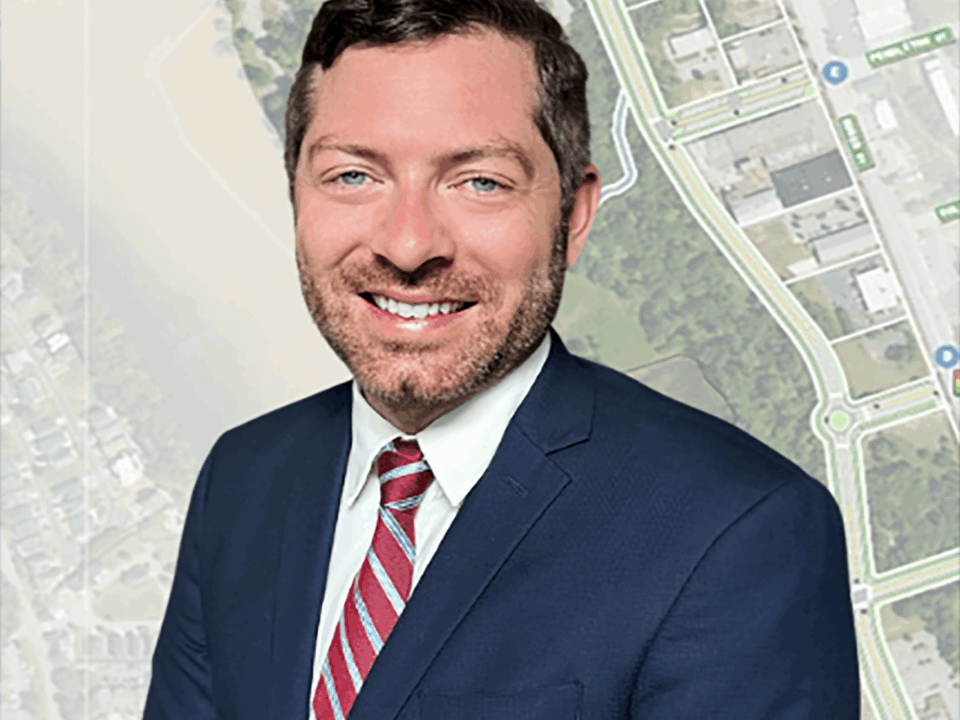
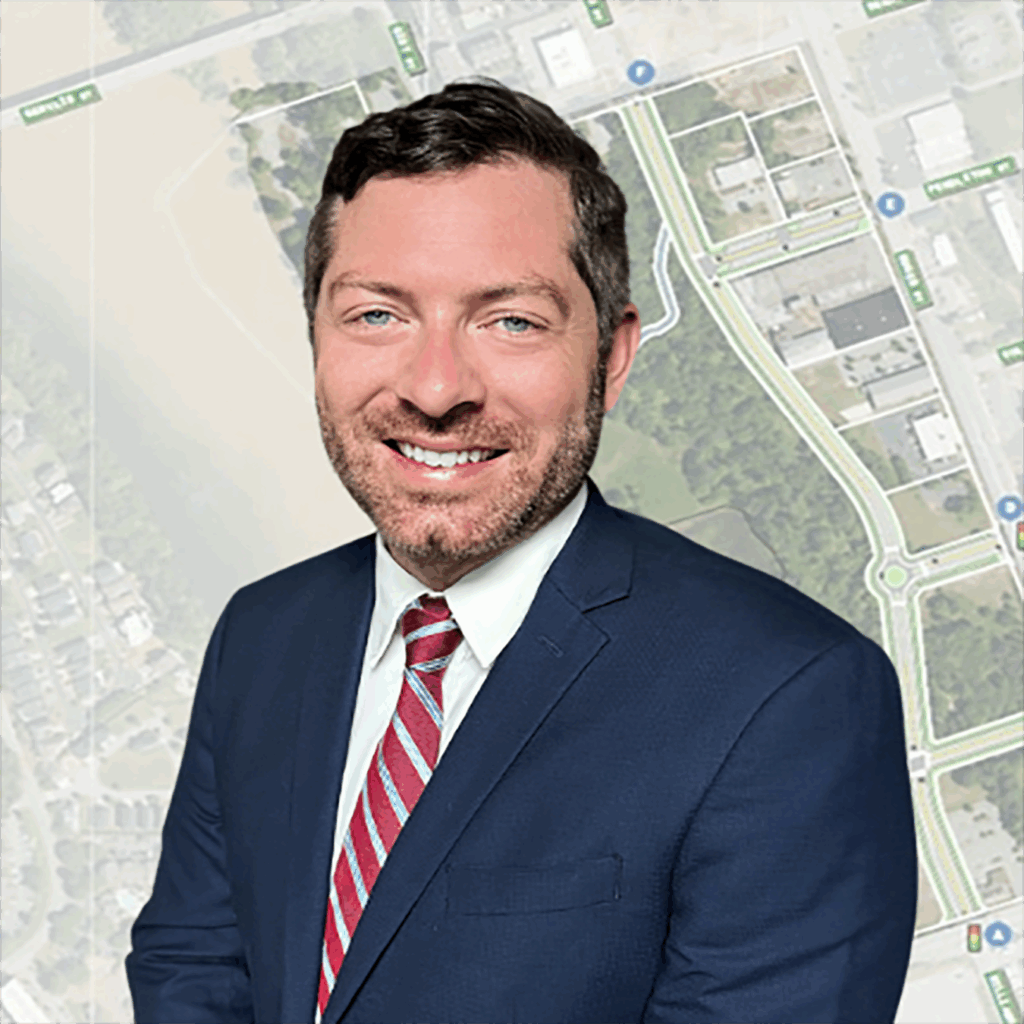
According to Aaron Schaller, Senior Water/Wastewater Engineer with Hussey Gay Bell’s Nashville office, success begins with practical planning, operational efficiency, and long-term partnerships that help communities make steady progress rather than chasing large-scale solutions all at once.
“The biggest opportunities come from improving operational efficiency,” Schaller says. “Many systems can reduce operating costs simply by upgrading aging equipment and addressing issues like inflow, infiltration, and water loss.”
IMPROVING OPERATIONAL EFFICIENCY
For many rural utilities, the first step toward long-term sustainability isn’t building entirely new infrastructure—it’s improving the performance of the systems already in place.
Schaller explains that aging pumps and motors often drive unnecessary electrical costs, while outdated equipment can make operations increasingly expensive. Technologies such as variable frequency drives and soft starts can significantly improve efficiency while reducing long-term operating expenses.
“We’re also helping clients address inflow and infiltration, which can dramatically increase treatment costs,” Schaller says. “On the water side, reducing system water loss creates another opportunity to improve both efficiency and sustainability.”
By focusing on measurable operational improvements, utilities can often realize meaningful savings before undertaking larger capital projects.
DESIGNING FOR LONG-TERM PERFORMANCE
While addressing today’s operational needs is important, planning for tomorrow’s growth is equally critical.
Population growth across the Mid-South is increasing demand on existing systems, requiring utilities to think beyond current capacity when evaluating treatment improvements. Schaller emphasizes that lifecycle costs—including labor, maintenance, and ongoing operations—should play a central role in every design decision.
“Systems need to be designed with future demand in mind, not just current conditions,” Schaller explains. “Incorporating modern, efficient technologies early can reduce operating costs throughout the life of the system.”
Balancing future growth with operational sustainability helps communities maximize the value of every infrastructure investment.
MANAGING LIMITED RESOURCES THROUGH PHASED IMPROVEMENTS
Funding remains one of the greatest obstacles for many rural utilities. Rather than attempting complete system replacements, phased improvements often provide a more practical path forward.
“Breaking projects into phases allows utilities to align improvements with available funding rather than trying to accomplish everything at once,” Schaller says.
Phased delivery also allows utilities to prioritize the most urgent needs while extending the useful life of existing infrastructure where appropriate. Components that continue to perform well can remain in service while critical issues—such as leaks, inefficiencies, or aging equipment—are addressed first.
This approach allows communities to spread costs over time while steadily improving overall system reliability.
BUILDING STRONG PARTNERSHIPS FOR LONG-TERM SUCCESS
For infrastructure systems that evolve over decades, continuity between engineers and utility operators creates lasting value.
“When you’ve worked with a system over a long period of time, you develop a deep understanding of how it operates and what solutions will realistically work,” Schaller says.
That familiarity allows engineering teams to tailor recommendations to each utility’s operational needs, organizational culture, and long-term goals. Instead of starting from scratch with every project, long-term partnerships help projects move more efficiently and produce stronger results.
Relationships also play an important role in securing project funding. Schaller notes that maintaining close communication with grant administrators and involving them early in the planning process can improve a utility’s ability to compete for programs such as USDA and Community Development Block Grants.
RESPONDING TO EMERGING INDUSTRY CHALLENGES
As communities grow, utilities are facing a new generation of infrastructure challenges.
Population growth continues to increase demand on aging systems, while regulatory agencies are placing greater emphasis on system redundancy and resiliency. At the same time, utilities must prepare for emerging contaminants such as PFAS while navigating higher construction costs driven by inflation.
“All of these factors are influencing how utilities prioritize and plan their investments,” Schaller says.
Successfully navigating these pressures requires careful planning, practical engineering solutions, and a clear understanding of both regulatory expectations and operational realities.
THE VALUE OF EARLY PLANNING
One of the most consistent themes throughout Schaller’s experience is the importance of involving engineering teams as early as possible.
“Many project challenges stem from insufficient due diligence at the front end,” Schaller explains. “Early engagement helps identify regulatory, utility, and site constraints before they become costly problems later.”
Beginning planning early allows project teams to identify funding opportunities, coordinate with regulatory agencies, and develop realistic implementation strategies before construction begins.
COLLABORATION ACROSS THE REGION
Although Hussey Gay Bell’s Nashville office maintains a small, field-focused team, Schaller says its strength comes from combining local responsiveness with expertise from across the firm.
“We’re able to respond quickly, especially in rural communities where that responsiveness matters,” he says. “At the same time, we rely heavily on collaboration with other offices to provide additional resources and specialized expertise.”
That collaborative approach brings together field experience, technical knowledge, and regional resources to help communities solve complex infrastructure challenges.
LOOKING AHEAD
For Schaller, the future of rural water infrastructure lies in proactive planning, thoughtful investment, and partnerships that help communities build stronger, more resilient systems over time.
“I enjoy projects that are challenging and a little unconventional,” Schaller says. “Some of the most rewarding work comes from solving complex problems while keeping systems running.”
As Kentucky and Tennessee continue to experience growth and evolving regulatory demands, Hussey Gay Bell is helping rural utilities navigate today’s challenges while planning for tomorrow. Through practical engineering solutions, phased implementation strategies, and a commitment to long-term collaboration, the firm’s Nashville team is supporting stronger, more sustainable water infrastructure across the Mid-South.