MARKET INSIGHTS FROM METRO ATLANTA: A CONVERSATION WITH MARK BOND, PE
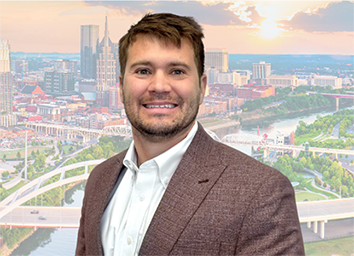
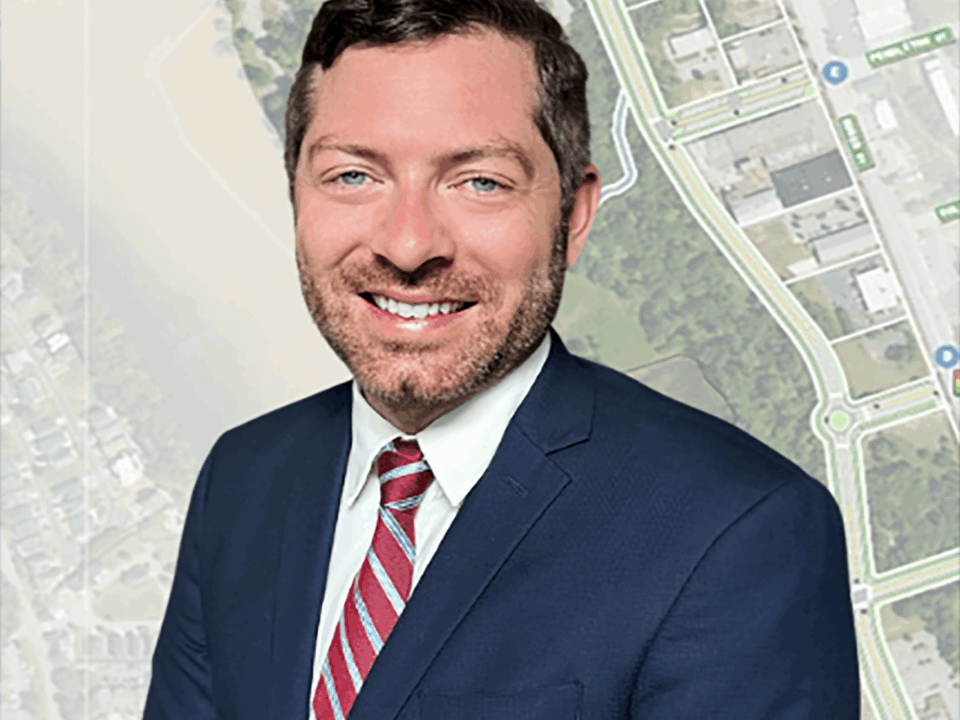
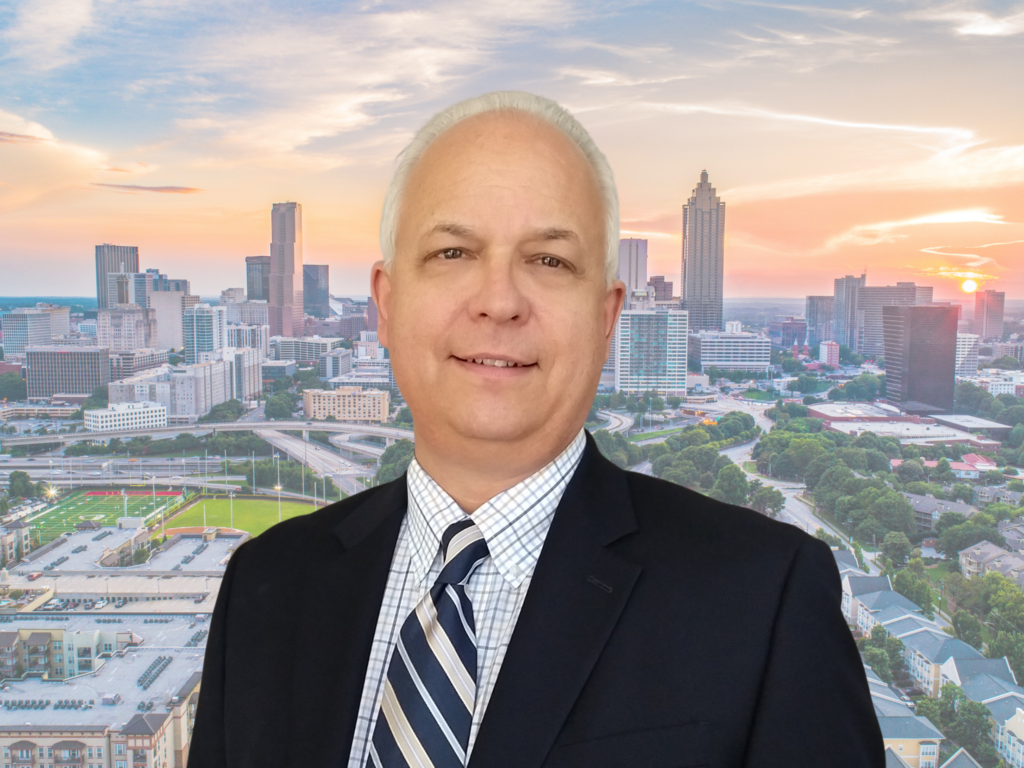
As President of Hussey Gay Bell’s Atlanta office, Mark Bond brings deep experience and market insight to one of the fastest-growing metropolitan regions in the Southeast. With a portfolio that includes extensive work for major healthcare systems such as Northside Hospital, Mark has played a key role in delivering complex projects that balance growth, operational continuity, and long-term value. In this interview, Mark shares his perspective on current trends shaping the Atlanta metro area, how rapid population growth is influencing infrastructure and development, and what owners should be thinking about as they plan for the future.
NAVIGATING ATLANTA’S EVOLVING DEVELOPMENT CLIMATE
Metro Atlanta continues to experience steady population and economic growth, but market conditions remain complex. According to Bond, development activity remains active across several sectors, though broader economic uncertainty is shaping how projects move forward.
“The development climate is cautiously optimistic,” Bond says. “Projects are still happening, but interest rates and broader market uncertainty are influencing decisions and slowing the kind of rapid surge we might normally see.”
Healthcare and public infrastructure projects remain particularly strong across the region, while industrial development continues at smaller building scales and commercial development shows early signs of returning.
INFRASTRUCTURE AND LAND CONSTRAINTS
As the Atlanta region grows, infrastructure capacity and land availability are becoming increasingly important factors in development decisions. Traffic congestion and limited remaining buildable land are already shaping where and how new projects occur.
“Many of the most desirable sites have already been developed,” Bond explains. “As growth pushes farther outside the urban core, infrastructure—especially sewer capacity—often lags behind demand.”
In areas outside the perimeter, utility limitations and complex regulatory processes can significantly affect project feasibility. Early coordination with municipalities and utility providers is becoming essential to keep projects on schedule.
HEALTHCARE DEVELOPMENT IN A COMPLEX ENVIRONMENT
Healthcare development remains one of the most active sectors across Metro Atlanta. Bond notes that many major health systems are increasingly relying on collaborative delivery models that allow construction teams to become involved earlier in the design process.
“Construction Manager at Risk delivery has become the preferred approach,” Bond says. “It allows owners to establish pricing earlier and better align project scope with budget expectations.”
With hospitals expanding active campuses, careful planning and phased construction strategies are also essential to maintain operations while improvements are underway.
THE IMPORTANCE OF EARLY PLANNING AND COLLABORATION
In a fast-growing market like Atlanta, successful projects rely heavily on coordination among engineers, contractors, and public agencies. Early planning, Bond says, is often the difference between a smooth project and unexpected delays.
“Engaging consultants early is one of the most important things owners can do,” Bond explains. “Many challenges stem from insufficient due diligence at the beginning of a project.”
By identifying regulatory, infrastructure, and site constraints early, project teams can avoid costly surprises and keep developments moving efficiently.
INDUSTRIAL DEVELOPMENT AND SPEED TO MARKET
Industrial development remains active across the Atlanta region, though market conditions have shifted the types of projects moving forward. While large speculative developments have slowed, demand remains strong for smaller industrial facilities and build-to-suit manufacturing projects.
“Speed to market continues to be the biggest driver for industrial development,” Bond says. “Delivering projects efficiently is still the top priority for most clients.”
Site feasibility, including topography, environmental constraints, and utility capacity, often determines whether projects can move forward successfully.
REDEVELOPMENT AND ADAPTIVE REUSE
As available land becomes more limited, redevelopment of existing properties is becoming increasingly common throughout the Atlanta region. Aging malls and underperforming retail corridors are now being repositioned for new uses.
“Developers are looking more closely at existing sites as land becomes harder to find,” Bond says. “Many of these properties offer opportunities for redevelopment into mixed-use or logistics-oriented developments.”
From an engineering perspective, stormwater regulations and utility capacity are often the most important early considerations when evaluating redevelopment opportunities.
EMERGING GROWTH CORRIDORS
Looking beyond Atlanta’s urban core, Bond sees continued growth along several key transportation corridors. Counties located along major interstate routes are attracting new industrial and mixed-use development as available land becomes scarcer closer to the city.
“Corridors along I-85 toward Commerce, Highway 316 toward Athens, and I-75 toward Chattanooga are seeing increased development interest,” Bond notes.
Communities that invest early in infrastructure planning and economic development strategies are likely to be best positioned for sustained growth.
LOOKING AHEAD
For Bond, the most exciting opportunities in Metro Atlanta lie in projects that balance growth with quality of life. From community parks to thoughtfully planned mixed-use developments, projects that bring people together will continue shaping the region’s future.
“Projects that enhance how people experience their communities are especially rewarding,” Bond says. “Thoughtfully designed town centers, public spaces, and mixed-use developments can have a lasting impact.”
As Metro Atlanta continues to expand, Bond believes thoughtful planning and early collaboration will be essential to delivering successful projects. By combining engineering expertise with a deep understanding of regional growth patterns, Hussey Gay Bell is helping communities and clients navigate development challenges while supporting sustainable, long-term growth across the region.