Expert Perspective Interview: Alan Townsend and Forest Suggs on Water and Wastewater Engineering in Charleston
Reliable water and wastewater infrastructure depends on sound engineering, practical judgment, and people who follow through.
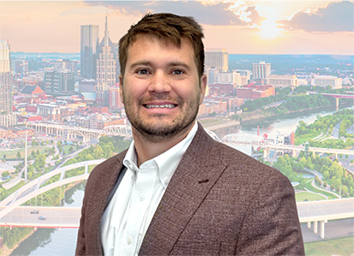
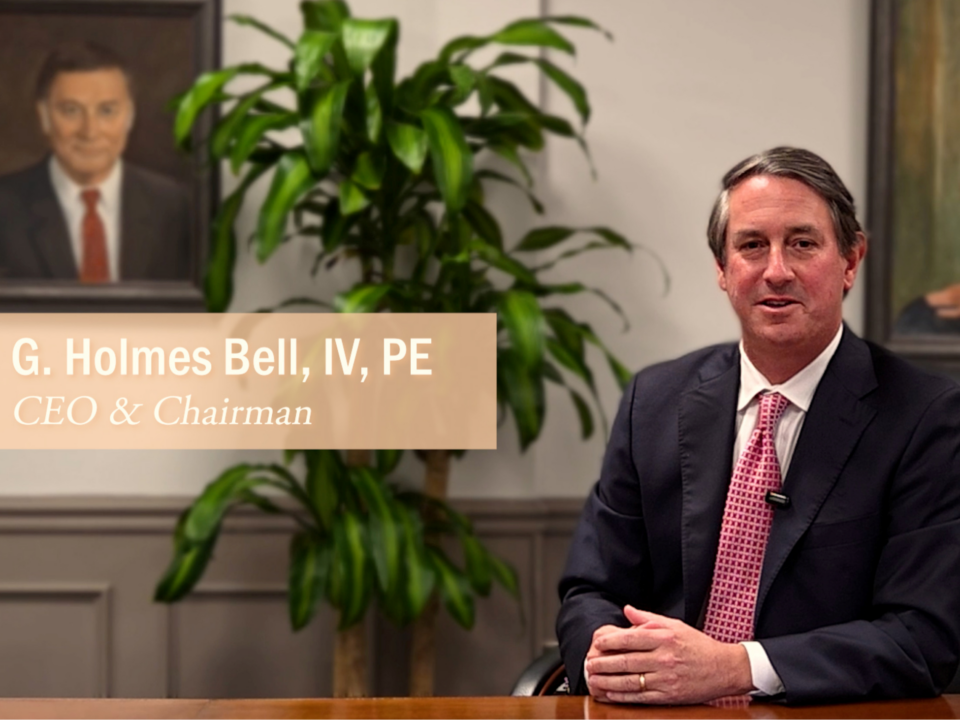
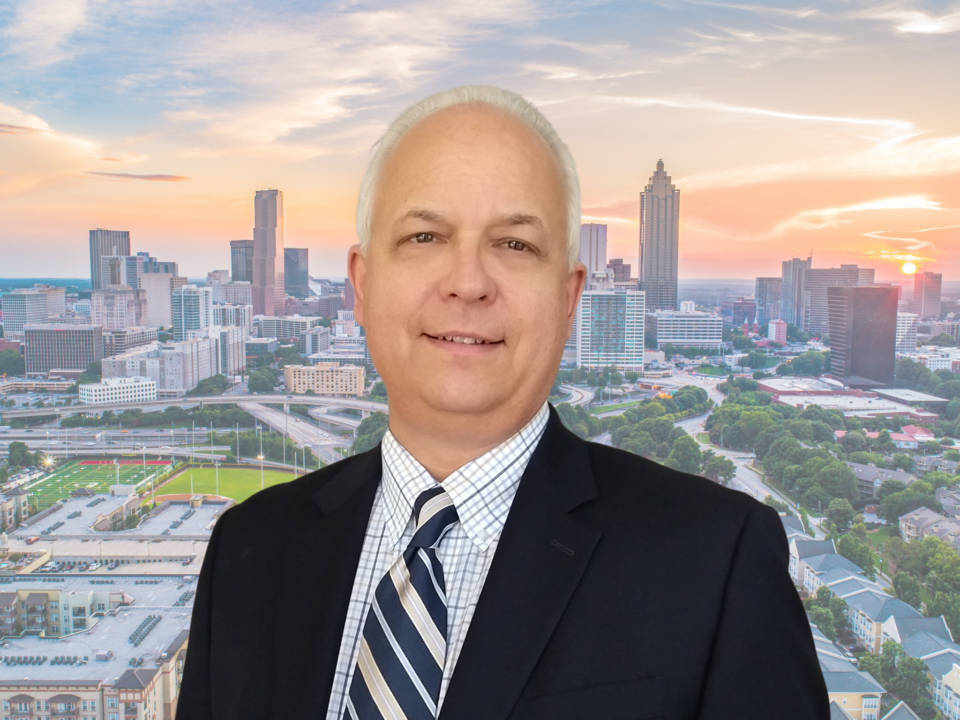
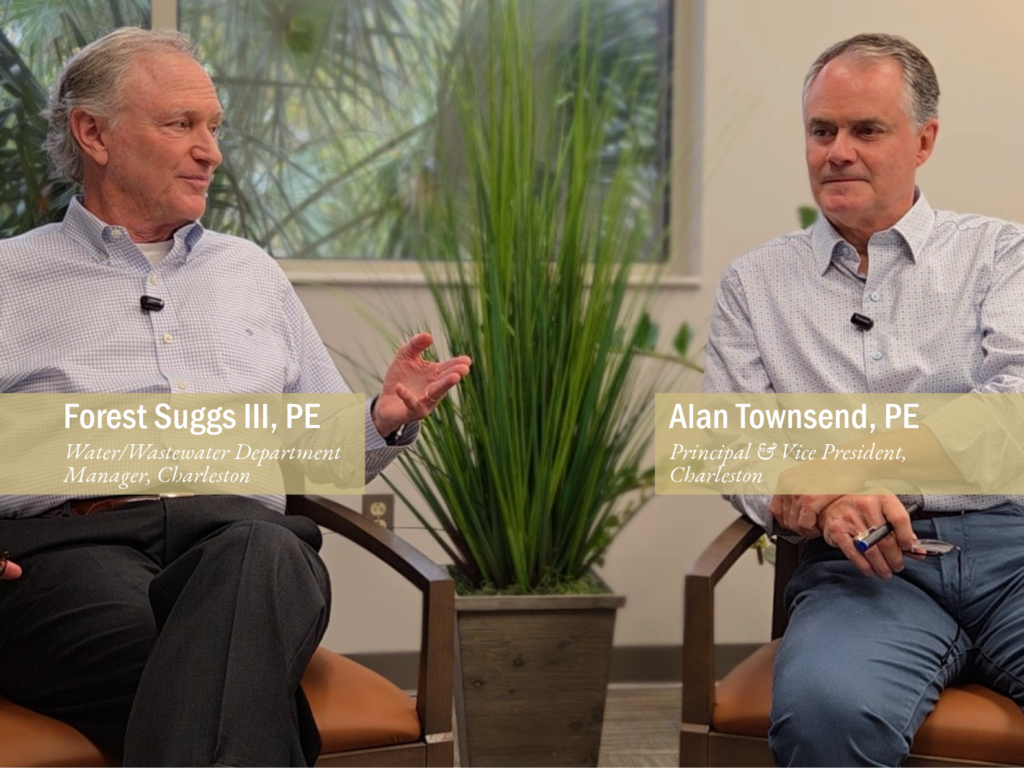
In a new interview, Hussey Gay Bell’s Alan Townsend, PE, and Forest Suggs III, PE, reflect on the experiences that have shaped their work in Charleston, South Carolina. Their conversation offers a perspective on how engineers earn client trust, develop specialized expertise, and help utilities solve difficult infrastructure challenges.
For Alan and Forest, those lessons are closely tied to the firm’s longstanding relationship with Charleston Water System. Through water mains, sewer tunnels, and years of collaboration, their work illustrates an enduring principle: strong client relationships grow when technical expertise consistently translates into dependable service.
Make the Client’s Job Easier
Forest’s approach to client service is straightforward: understand what the client needs, deliver it when they need it, and take responsibility for the work. He explains,
“You want to make their job easy and you don’t want them to manage you.”
For utility owners, that distinction matters. A consultant should bring the judgment and initiative needed to move a project forward. Clients need a team that understands the assignment, identifies problems, and helps resolve them.
Forest’s advice gives that responsibility a practical measure: how much confidence does the client have that the work is being handled?
That confidence develops through daily actions. Meeting commitments, communicating clearly, and following through on decisions all help build the trust that supports a lasting partnership.
Match the Engineering Approach to the Place
Charleston’s rivers and marshes make the connection between geography and infrastructure especially clear. Moving water across a service area can require crossing waterways and navigating sensitive surroundings.
Alan and Forest describe how directional drilling expanded the possibilities for Charleston Water System’s projects. As the utility identified needs, the engineering team helped determine how those connections could be accomplished.
Their experience highlights the value of choosing construction methods around a project’s setting and constraints. Directional drilling and tunneling became important parts of the team’s work, alongside conventional open-cut construction.
The broader lesson is one of judgment. Technical expertise helps an engineer understand the available methods and recognize where each may fit. Local knowledge helps connect those options to the conditions a utility actually faces.
For communities evaluating water and wastewater improvements, that combination supports more informed decisions from the beginning.
Build Expertise Through Curiosity and Field Experience
One of the interview’s most revealing stories begins with an unfamiliar assignment.
Faced with an early directional drilling project, Alan traveled to an active project in Florida and spent several days learning firsthand. That experience helped establish a foundation for the work that followed with Charleston Water System.
It is a useful lesson for engineers at any stage of their careers: developing expertise requires a willingness to seek out knowledge and understand how work happens in the field.
To Alan and Forest, the late Gus Bell, the firm’s second Chairman and CEO whose leadership helped shape its legacy, also had an integral influence on them as early engineers by providing opportunities to find solutions and take ownership of their work. Their recollections connect mentorship with responsibility. Being trusted to solve a problem created a reason to ask questions, investigate options, and grow.
For the next generation of engineers, their experience offers a practical direction: stay curious, learn from people doing the work, and bring that knowledge back to the client’s challenge.
Let Construction Inform Design Quality
Forest also points to construction as a revealing test of engineering.
The decisions made during design eventually meet field conditions, construction requirements, and the owner’s expectations. His focus is on producing quality work that helps minimize avoidable changes and the burden they can place on a client.
For a utility project manager, an unexpected change can mean additional explanations, approvals, and budget discussions. Understanding that responsibility should influence how an engineer approaches design.
The takeaway is to consider how a project will be built and what the owner will need to manage along the way. Design quality has a direct connection to the client’s experience during delivery.
Earn Trust Across Generations of Leadership
One of the clearest measures of a professional relationship is its ability to endure as people and responsibilities change.
Alan and Forest reflect on continuing to serve Charleston Water System through successive generations of utility leadership. They also recognize the knowledge of the utility’s own engineering staff and the importance of consistently producing good work.
That perspective keeps a longstanding relationship grounded in accountability. Each assignment is another opportunity to demonstrate that the client’s confidence is well placed.
Their interview offers a view of Hussey Gay Bell’s leadership through the work itself: learning new methods, responding to client needs, and accepting responsibility for results. These habits connect decades of experience to the decisions engineers make today.
To learn more about how our team supports utility owners and communities, explore Hussey Gay Bell’s water and wastewater expertise.
Experience That Guides What’s Next
Alan and Forest’s experience offers a clear lesson: lasting partnerships are built through practical solutions, sound judgment, and dependable service. As Hussey Gay Bell continues helping communities address their water and wastewater needs, their approach remains a guide for our team: understand the challenge, take ownership of the work, and earn the client’s trust with every project.